
Experts and business leaders gather for a roundtable breakfast to discuss the impact of the IFMIF-DONES scientific project and strategies to boost industrial development in the region
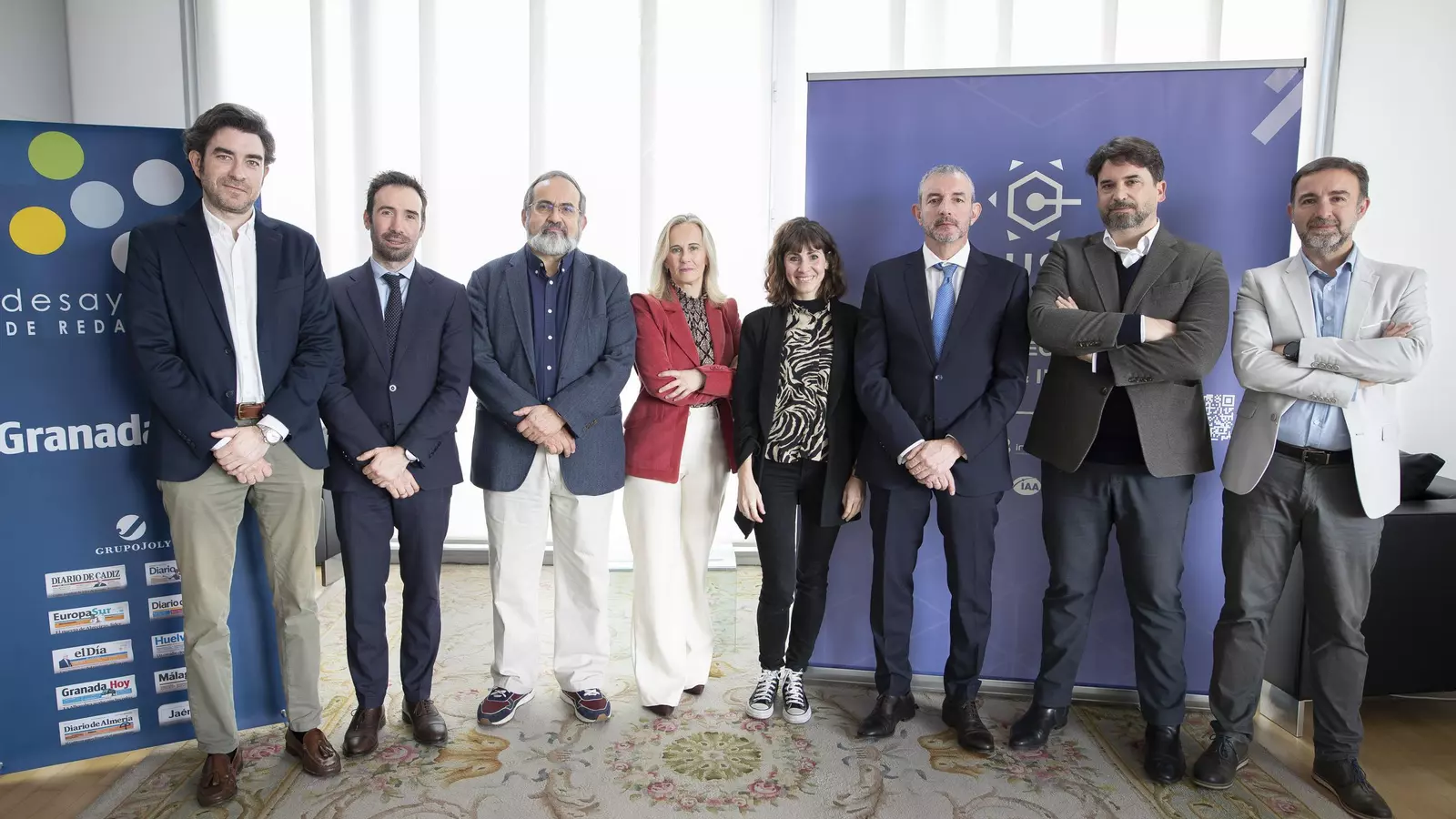
From left to right: Juan Fernández, Erik Fernández, Ángel Ibarra, Lola Quero, Pilar Gil, Pedro Pérez, Alberto Rocha, and Roberto Álvarez. / Antonio L. Juárez/PHOTOGRAPHERSSPORTS
Granada is transforming into a vibrant ecosystem of innovation and business development, driven by the arrival of cutting-edge scientific projects. The city is experiencing a boom in the science industry, attracting companies, talent, and unprecedented opportunities. A roundtable breakfast organized by Grupo Joly and Industry Office brought together seven industry leaders to explore how this new landscape is reshaping the region’s future.
Beyond the direct impact of IFMIF-DONES—a groundbreaking project that is becoming the engine of an industrial transformation set to propel the region to a new level of development—the discussion focused on its powerful catalytic effect in creating a dynamic and collaborative business environment. The convergence of talent, investment, and knowledge is shaping a technology hub that aims to position Granada as a national and international benchmark.
The expert panel gathered at the Granada Chamber of Commerce included:
Ángel Ibarra, Director of IFMIF-DONES Spain Consortium;
Pilar Gil, Engineering Manager at Safran;
Erik Fernández, Director of Ineustar;
Alberto Rocha, CSO of Negratín;
Pedro Pérez, Site Manager at CT Engineering Group;
Juan Fernández, CTO of Quantia;
and Roberto Álvarez from the Chamber of Commerce – Industry Office.
Lola Quero, editor of Granada Hoy and moderator of the event, opened the breakfast with a clear commitment: “Our goal is to give visibility to Granada’s talent and businesses, contributing to the construction of a prosperous future for our city.” Quero emphasized the importance of collaboration among the various entities present at the event, stating that “joining forces is essential to drive Granada’s technological and industrial development.”
Ángel Ibarra opened the discussion by describing the IFMIF-DONES project as “something unique in the world,” a historic milestone that will drive technological advancement and deliver significant industrial return. “A billion euros is nothing compared to other major scientific projects,” Ibarra stated, stressing the importance of long-term investment and the potential to apply the knowledge gained in conventional sectors.
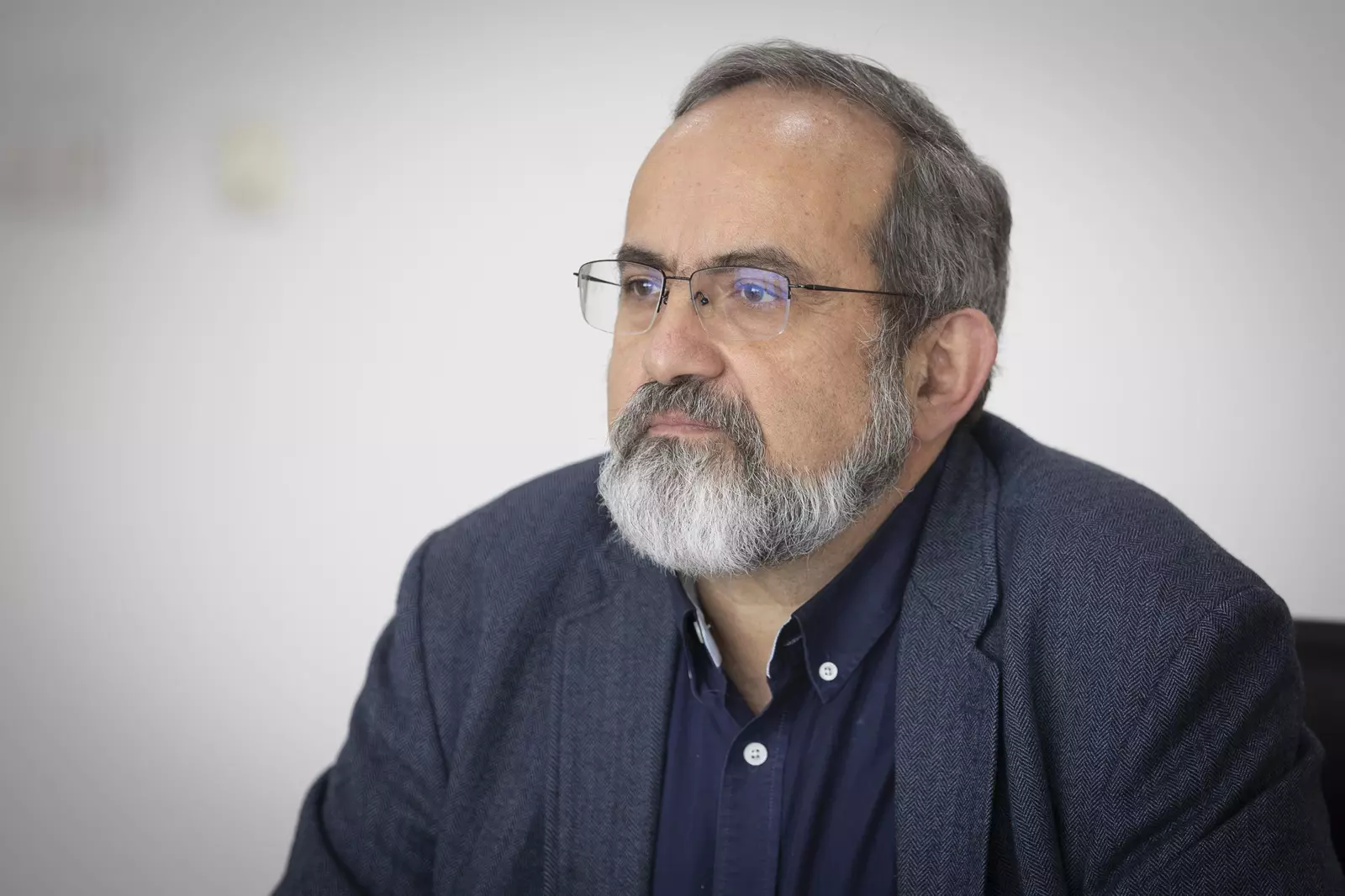
Ángel Ibarra, Director of the IFMIF-DONES Spain Consortium. / Antonio L. Juárez / PHOTOGRAPHERSSPORTS
“IFMIF-DONES is a long-term investment. The benefits may take ten or twenty years to materialize.”
— Ángel Ibarra, Director of the IFMIF-DONES Spain Consortium
— Ángel Ibarra – Director consorcio IFMIF-DONES España
Pilar Gil shared her company’s story as an example of how scientific research can transcend borders and create global impact. “A small seed can bear great fruit,” Gil remarked, highlighting how the knowledge developed in scientific projects can foster innovative products and services with worldwide applications.
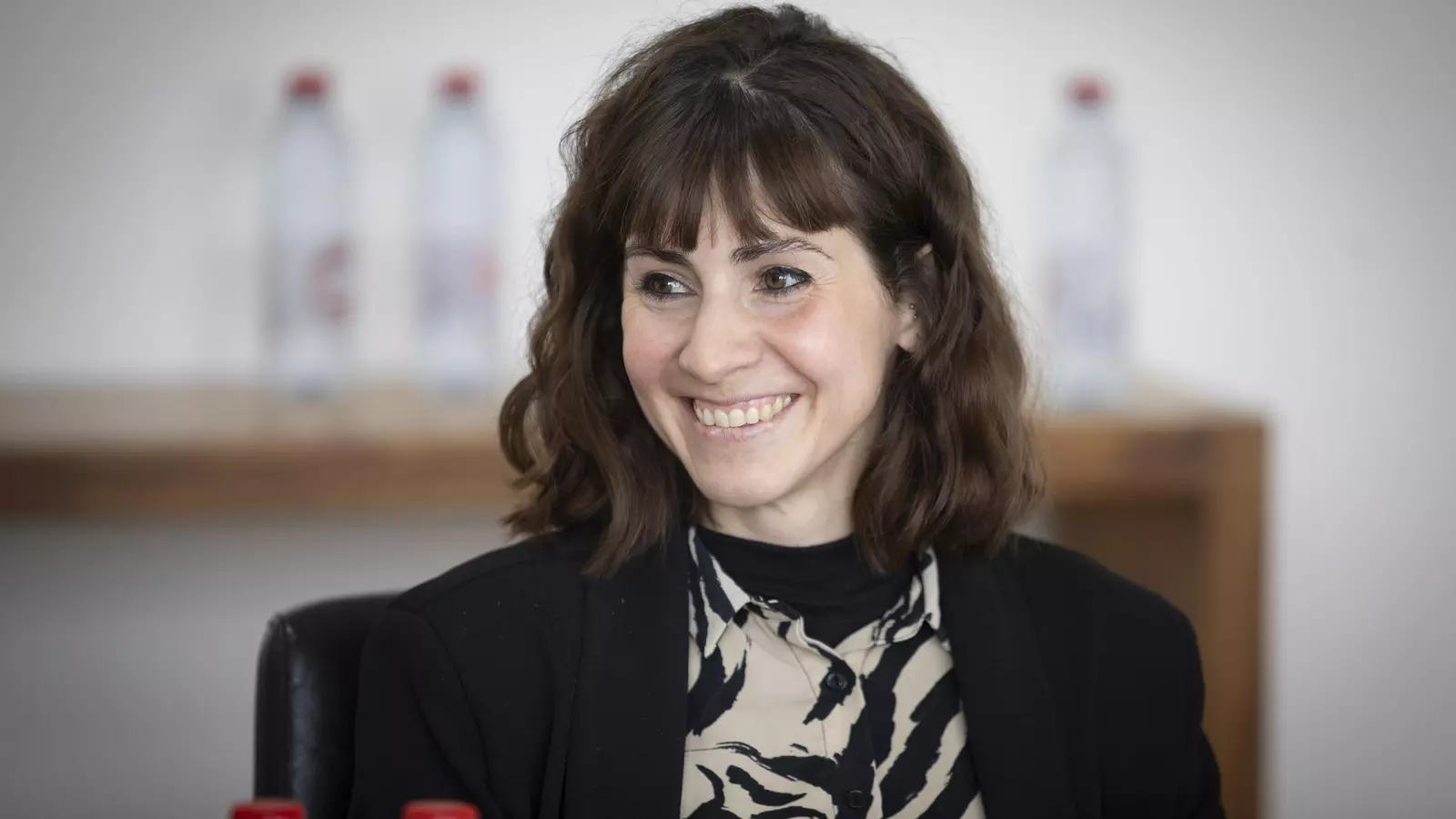
Pilar Gil, Engineering Manager de Safran. / Antonio L. Juárez/PHOTOGRAPHERSSPORTS
“This project is crucial to inspire new generations, including women, who are still underrepresented.”
— Pilar Gil – Safrans Engineering Manager
Erik Fernández, representative of the Big Science employers’ association, emphasized the transformative potential of IFMIF-DONES but warned that this won’t happen automatically. “It doesn’t mean it will transform the region where it’s located per se,” Fernández noted, advocating for the implementation of a strategic plan and a joint effort to maximize the project’s impact. He also added that IFMIF-DONES is “the key that opens the door to a much larger market: the global science industry.” Finally, he highlighted the growing participation of Granada-based companies in R&D projects, thanks to the joint efforts with Industry Office, and the value of working on scientific projects as both a marketing tool and a springboard into other high-value sectors.
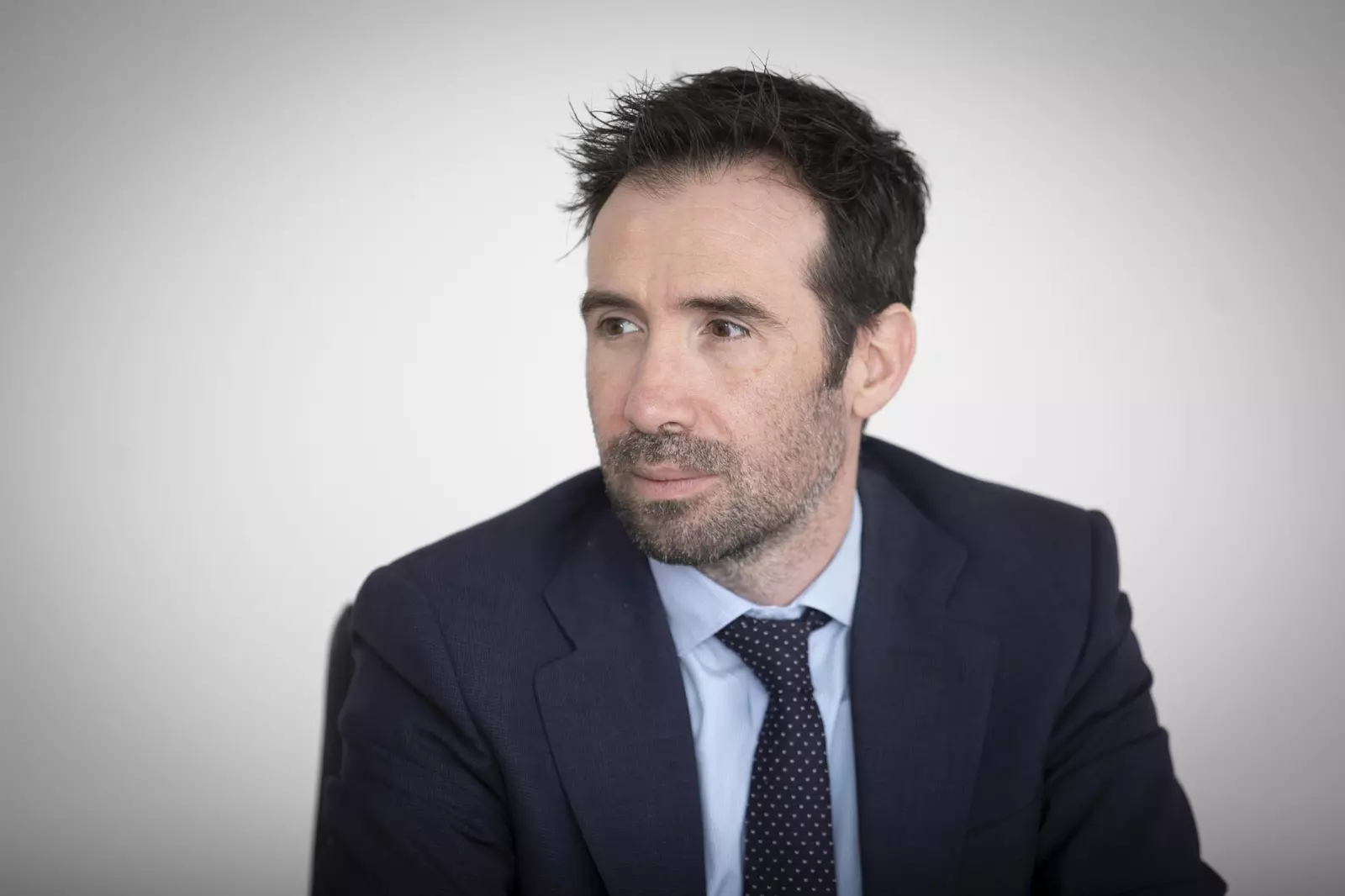
Erik Fernández, Ineustar´s Director. / Antonio L. Juárez/PHOTOGRAPHERSSPORTS
“The potential of a project like this doesn’t mean it will automatically transform the region where it’s installed; sometimes it’s leveraged, and other times it isn’t.”
— Erik Fernández – Ineustar´s Director
Alberto Rocha emphasized the importance of the science-business relationship as a driver of innovation and growth. “Clearly, IFMIF-DONES is an attraction hub and a value creator,” he stated. Rocha explained how Negratín has diversified its activities towards scientific projects, seeing IFMIF-DONES as a great opportunity for medium-sized companies, and highlighting the need for societies to bet on innovation to ensure their long-term survival and growth.
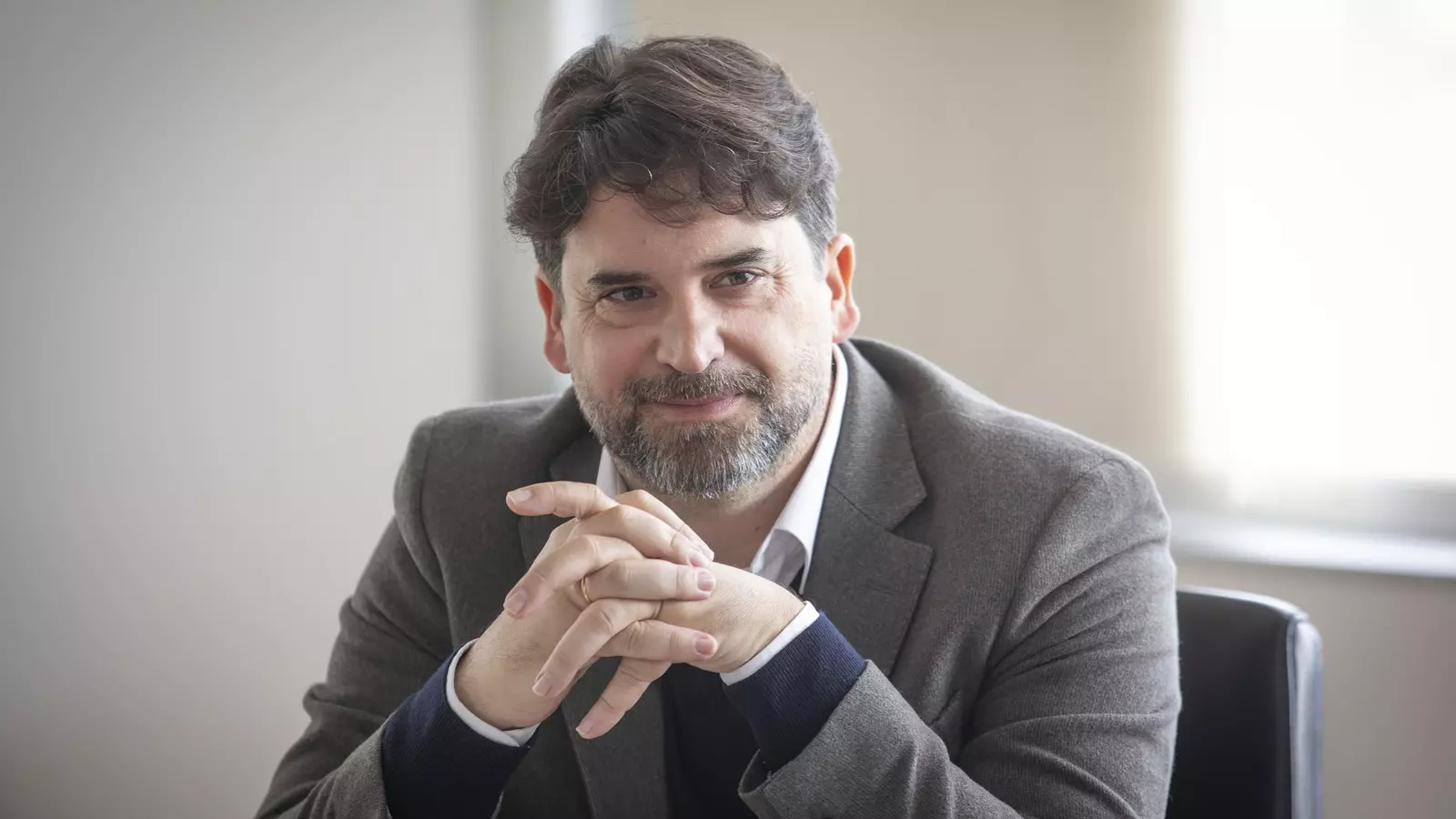
Alberto Rocha, Negratín´s CSO. / Antonio L. Juárez/PHOTOGRAPHERSSPORTS
“Clearly, IFMIF-DONES is a hub for attracting and creating value for the city — we must make the most of it.”
— Alberto Rocha – Negratín´s CSO
Rocha also shared his experience in the solar thermal energy sector, where collaboration between companies and research centers such as CIEMAT drove the development of pioneering technologies. “When science and business are well aligned, it works,” he asserted, highlighting how innovation enabled Spanish companies to compete on a global scale.
Pedro Pérez expressed his gratitude for the warm welcome in Granada and voiced the hope that his company would establish itself in the region, leveraging the momentum of IFMIF-DONES. “Granada must make the most of IFMIF-DONES, it must take advantage of it,” Pérez stated, advocating for the city to use the project as a springboard to attract investment and talent. Pérez also explained that CT Engineering Group’s interest in IFMIF-DONES arose after its participation in the ITER project. “For me, IFMIF-DONES is what put Granada in the spotlight,” said the Site Manager, emphasizing the potential of this facility to attract talent and generate economic activity in the region.
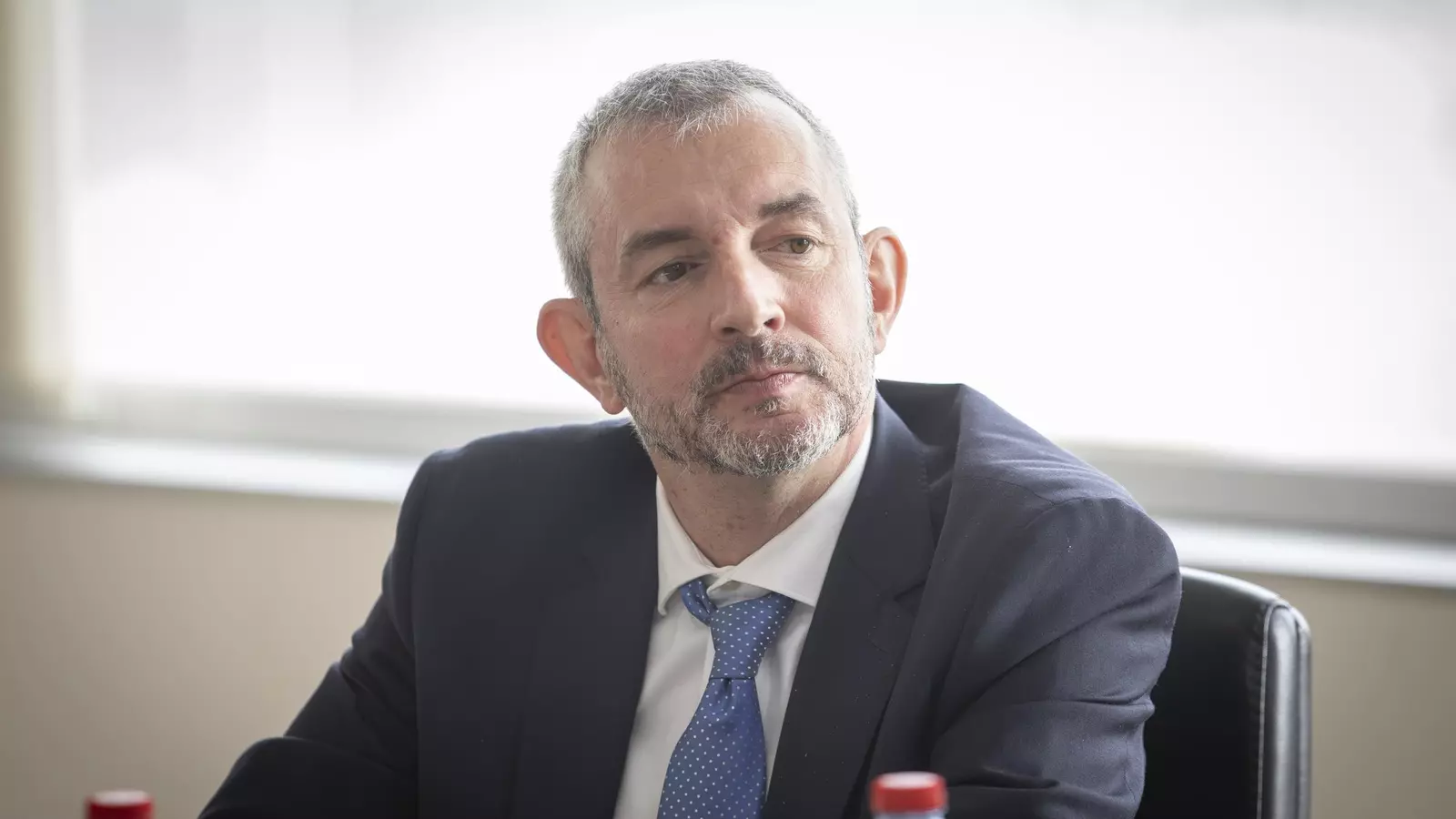
Pedro Pérez, Site Manager at CT Engineering Group. / Antonio L. Juárez/PHOTOGRAPHERSSPORTS
“It’s clear that the IFMIF-DONES project is what has brought the city of Granada into the spotlight.”
— Pedro Pérez – Site Manager at CT Engineering Group
Juan Fernández emphasized the importance of cross-sector collaboration between companies to create innovative and valuable proposals for IFMIF-DONES. “I believe it would be very interesting for companies to foster more cross-disciplinary collaboration to develop value propositions with a more multidisciplinary approach.”
The CTO mentioned that Quantia maintains a close partnership with the University of Granada, licensing algorithms developed at the institution. The company is currently involved in a project to develop cyber-physical systems for IFMIF-DONES, which will enable the autonomous operation of equipment such as robotic arms. “This is essential for the operation of this project,” he stated.
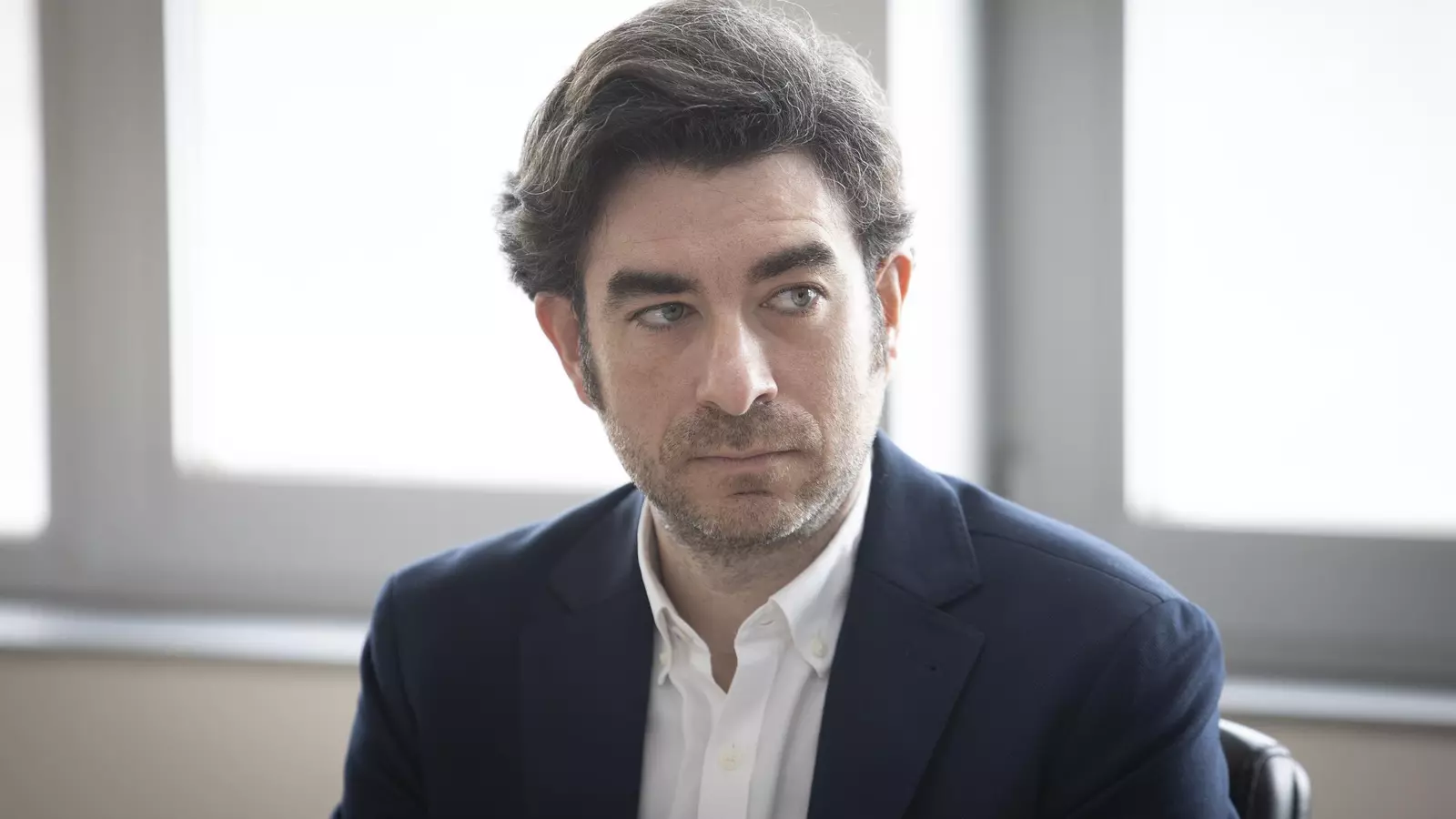
Juan Fernández, CTO of Quantia. / Antonio L. Juárez/PHOTOGRAPHERSSPORTS
“We are facing a major opportunity, the technological project in Granada will be a catalyst for the development of the local industry.”
— Juan Fernández – CTO of Quantia
To conclude his participation, Fernández highlighted the potential of IFMIF-DONES as a catalyst for the development of local industry, and Quantia’s role as a provider of innovative technology for this and other projects. “Everything we’re developing from this major investment we’re making is for ourselves, even though we’re still a recently established company.”
Roberto Álvarez emphasized the role of IFMIF-DONES as a “trigger” for Granada’s industrial development and the importance of seizing this opportunity to position the city as a benchmark in the science industry. “This trigger is a window of opportunity to enter an industry that moves 40 billion euros a year,” Álvarez stated. He concluded with a constructive critique, urging for a faster pace and greater ambition in achieving the project’s goals. “I think we need to be a bit more critical of ourselves to ensure things move more quickly and are more application-driven.”
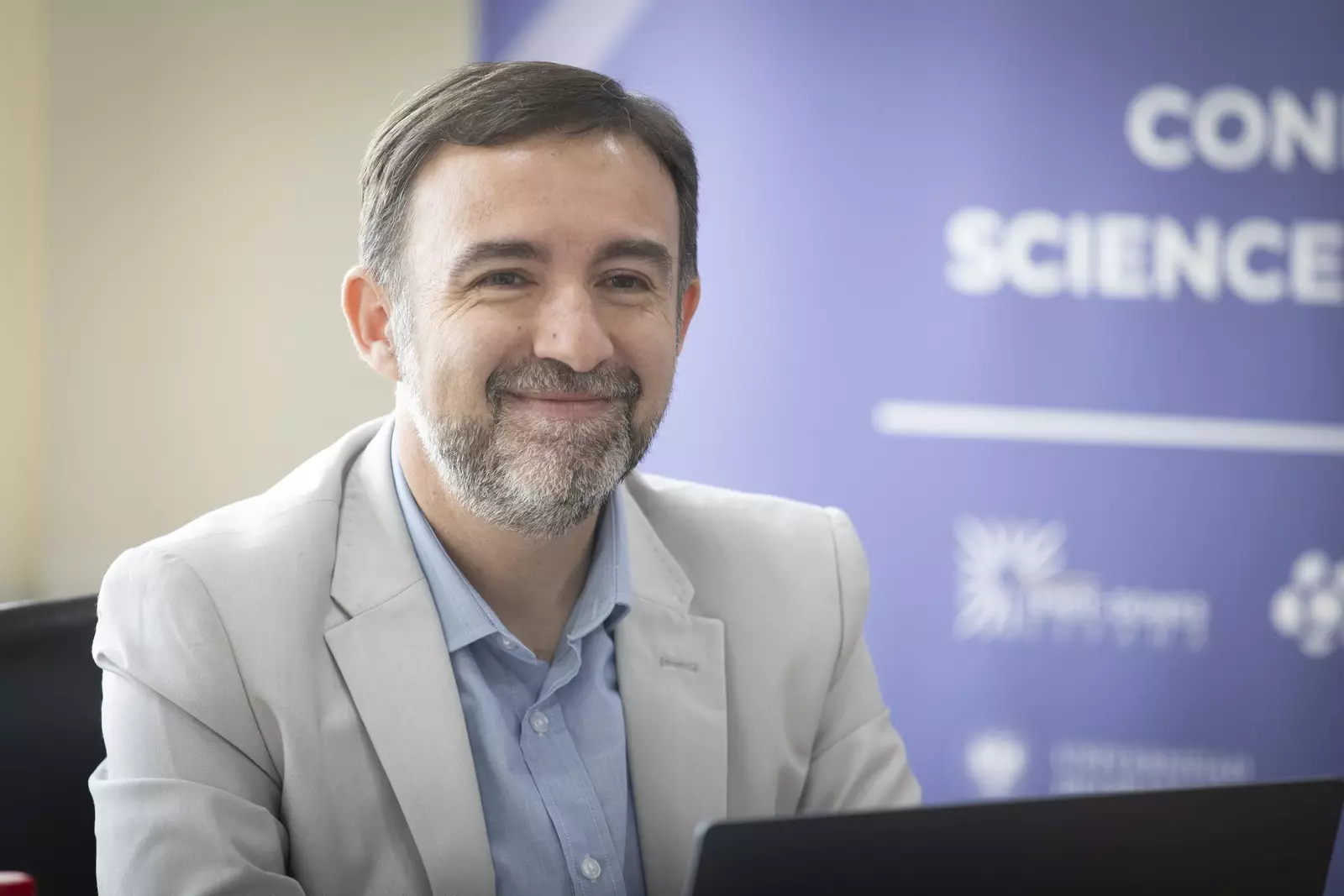
Roberto Álvarez from the Chamber of Commerce–Industry Office. / Antonio L. Juárez/PHOTOGRAPHERSSPORTS
“There is a great window of growth for our region—Granada’s industry will benefit greatly from this endeavor.”
— Roberto Álvarez – Chamber of Commerce-Industry Office
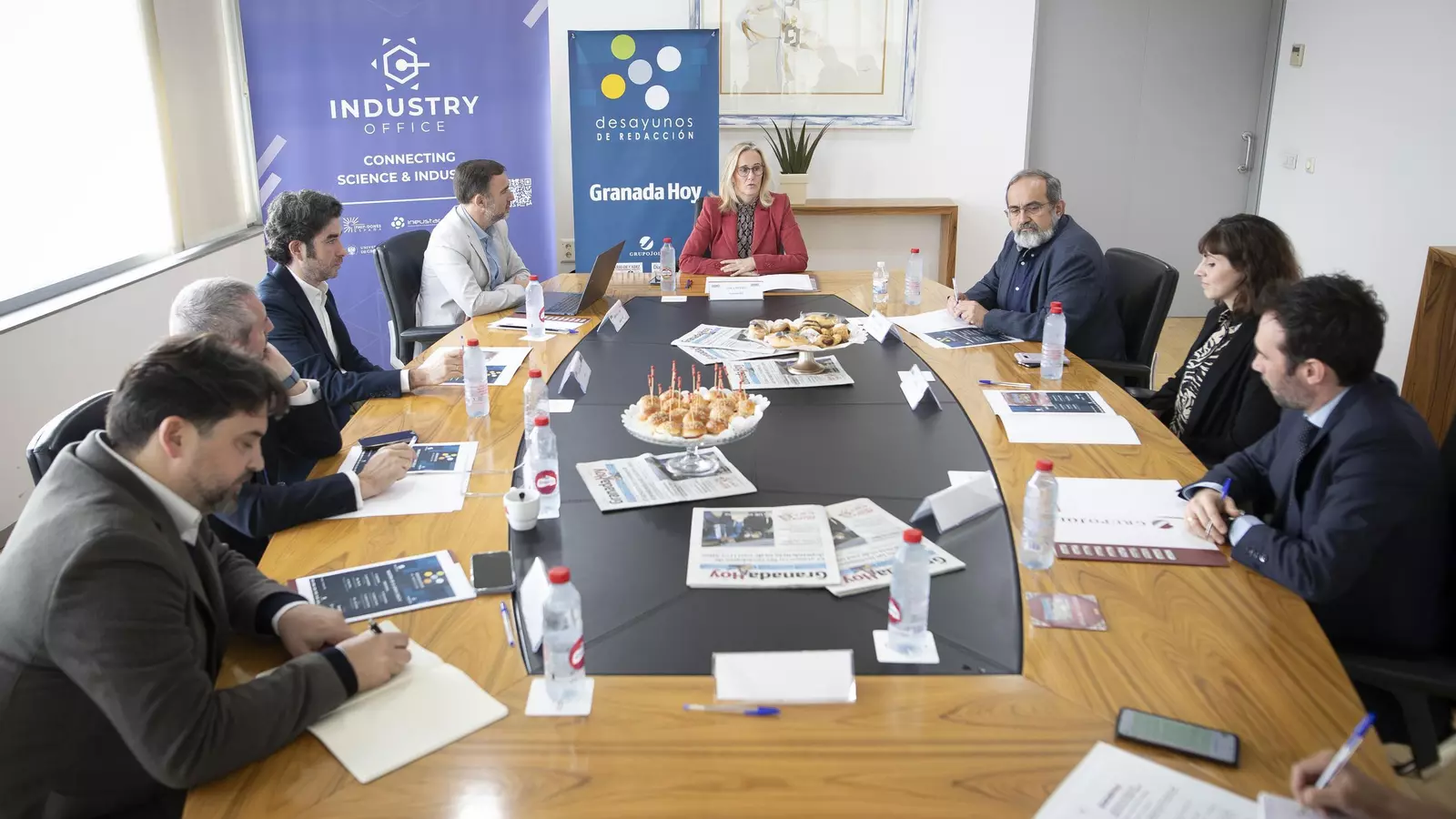
The press breakfast organized by Granada Hoy and Industry Office about the IFMIF-DONES project took place at the Granada Chamber of Commerce. / Antonio L. Juárez/PHOTOGRAPHERSSPORTS
To close his participation, Fernández highlighted the potential of IFMIF-DONES as a catalyst for the development of the local industry, and the role of Quantia as a provider of innovative technology for this and other projects. “Everything we are developing with this large investment we are making is for us, even though we are a recently established company.”
Roberto Álvarez emphasized the role of IFMIF-DONES as a “trigger” for the industrial development of Granada and the need to seize the opportunity to position the city as a reference in the science industry. “This trigger is the window of opportunity to enter an industry that moves 40 billion euros a year,” Álvarez stated. He also concluded with a constructive critique, urging for the acceleration of the work pace and being more ambitious in achieving the goals. “I think we need to be a little critical with ourselves to ensure that things work more quickly or more efficiently.”
Local Talent: Attraction, Retention, and Training
The debate about talent was one of the central topics. Ángel Ibarra observed a shift in the talent landscape in Granada, with IFMIF-DONES attracting both local and external talent. “Something is changing in Granada,” he stated, noting that the trend of technical students emigrating is beginning to reverse. Ibarra also emphasized the need for a joint effort between political institutions, businesses, and research centers to consolidate this change in the talent landscape. “We need to maintain this alignment,” he said, advocating for the implementation of a strategic plan to facilitate the attraction and retention of talent in the region.
Erik Fernández highlighted the need to train local talent, noting that the creation of a Master’s program in Science Industry at the University of Granada lays the foundation for active collaboration with companies in the sector.
Alberto Rocha emphasized the need to “attract, retain, and build” talent in Granada, comparing the city’s potential to that of Silicon Valley. The speakers agreed on the importance of university-business collaboration for the training of specialized talent and the need to combine university education with practical experience in companies.
Pedro Pérez advocated for Granada to take advantage of IFMIF-DONES as a stepping stone to attract investment, positioning the city as a center for industrial development beyond the project itself. He highlighted the potential of the facility to bring in young talent and generate economic activity in the region.
Roberto Álvarez emphasized the role of IFMIF-DONES as a “trigger” for the industrial development of Granada and the need to seize the opportunity to position the city as a leader in the science industry. “This trigger is the window of opportunity to enter an industry that moves 40 billion euros a year,” Álvarez stated, also concluding with a constructive critique, urging a faster pace of work and greater ambition in achieving the goals. “I think we need to be a bit critical of ourselves to make things work faster or more efficiently.”
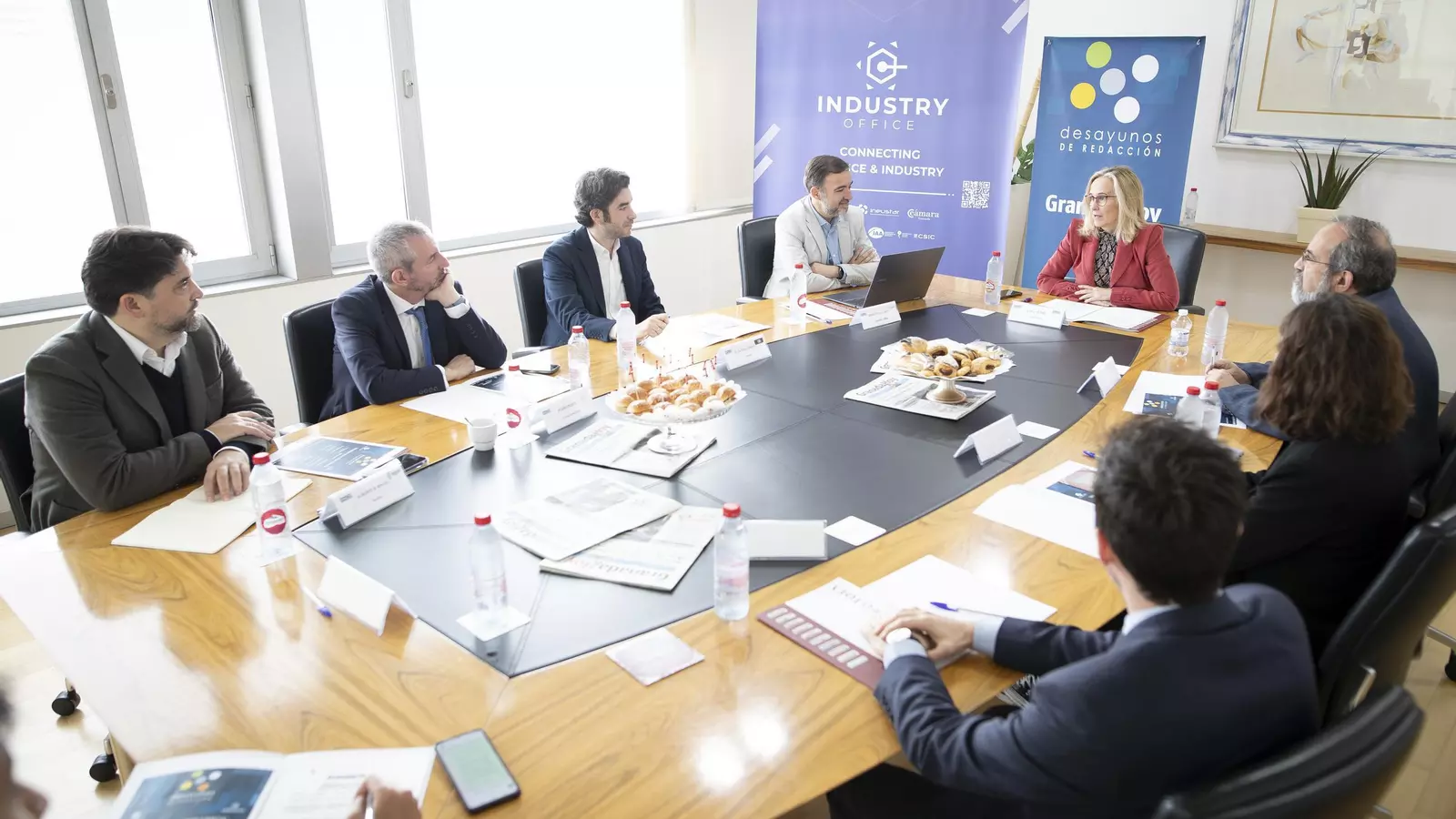
The seven experts debated for almost an hour and a half about the benefits of the technological commitment being made by the region. / Antonio L. Juárez/PHOTOGRAPHERSSPORTS
Juan Fernández shared Quantia’s experience with interns, highlighting the success of this program in attracting and retaining talent. “Through this, we started taking on interns, and those we’ve taken on have stayed.”
Pilar Gil spoke about the challenge of hiring qualified personnel in a competitive job market. She emphasized the difficulty of finding industrial engineers with skills in computer science and the complexity of attracting talent to our city.
The editorial breakfast concluded with a shared consensus on the potential of IFMIF-DONES to transform Granada into a hub of scientific and industrial innovation. The speakers highlighted the importance of collaboration between companies, institutions, and public administrations, as well as the need for a long-term strategic plan to maximize the project’s impact.
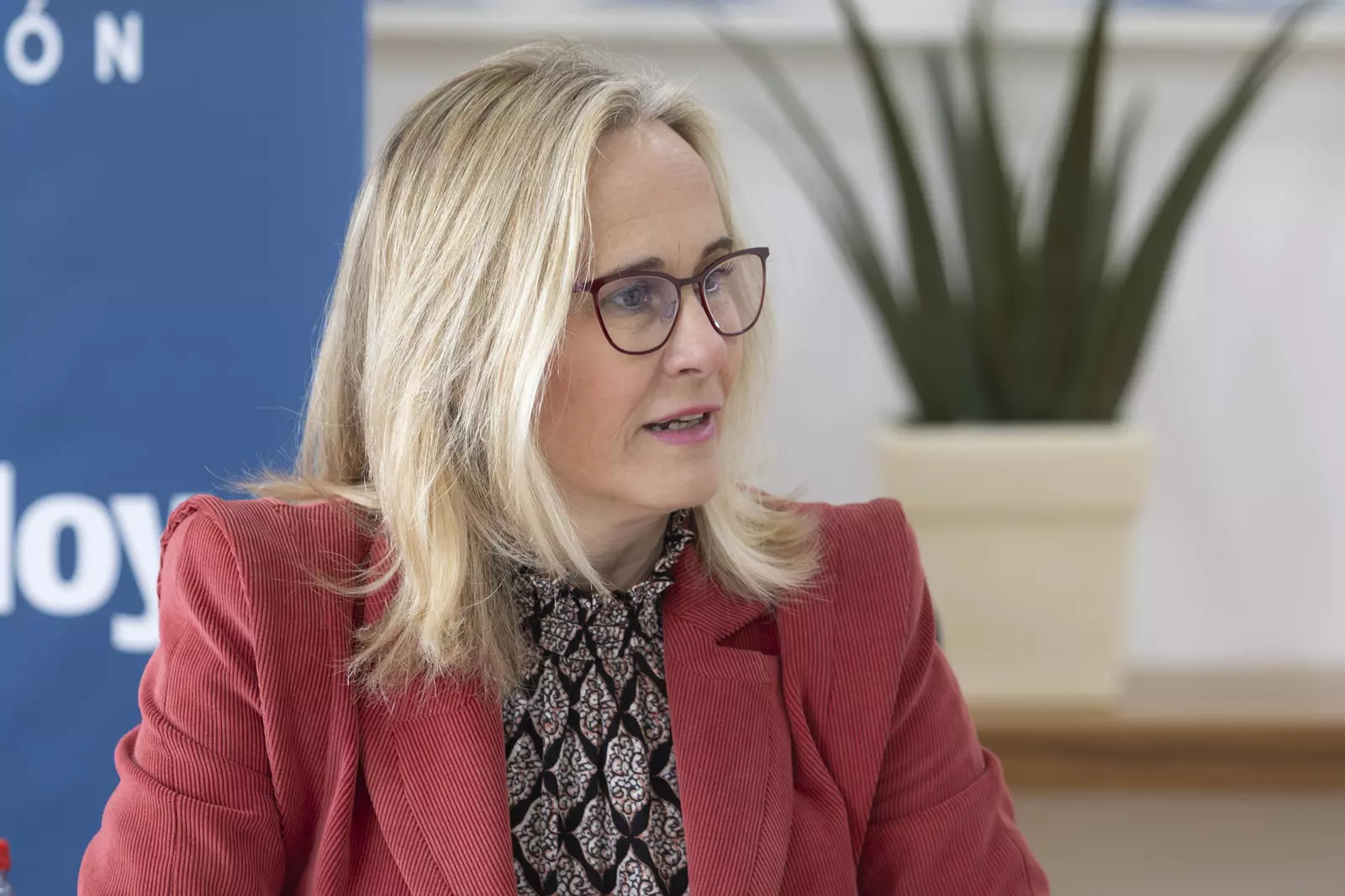
Lola Quero, Director of Granada Hoy. / Antonio L. Juárez/PHOTOGRAPHERSSPORTS
“Granada has a unique opportunity to establish itself as a benchmark in the science industry.”
— Lola Quero, Director of Granada Hoy.
“Granada has a unique opportunity to consolidate itself as a benchmark in the science industry,” said Lola Quero, director of Granada Hoy. “From our newspaper, we will continue working to give visibility to these types of initiatives and contribute to the development of our city.”
Pilar Gil spoke about the challenge of hiring qualified personnel in a competitive job market. She highlighted the difficulty of finding industrial engineers with computer science skills and the complexity of attracting talent to our city.
The editorial meeting concluded with a broad consensus on the potential of IFMIF-DONES to transform Granada into a hub of scientific and industrial innovation. The speakers emphasized the importance of collaboration between companies, institutions, and public administrations, as well as the need for a long-term strategic plan to maximize the project’s impact.