
The experimental nuclear fusion reactor SMART has reached a milestone by creating tokamak plasma, representing a key advancement towards a future with infinite and affordable energy.
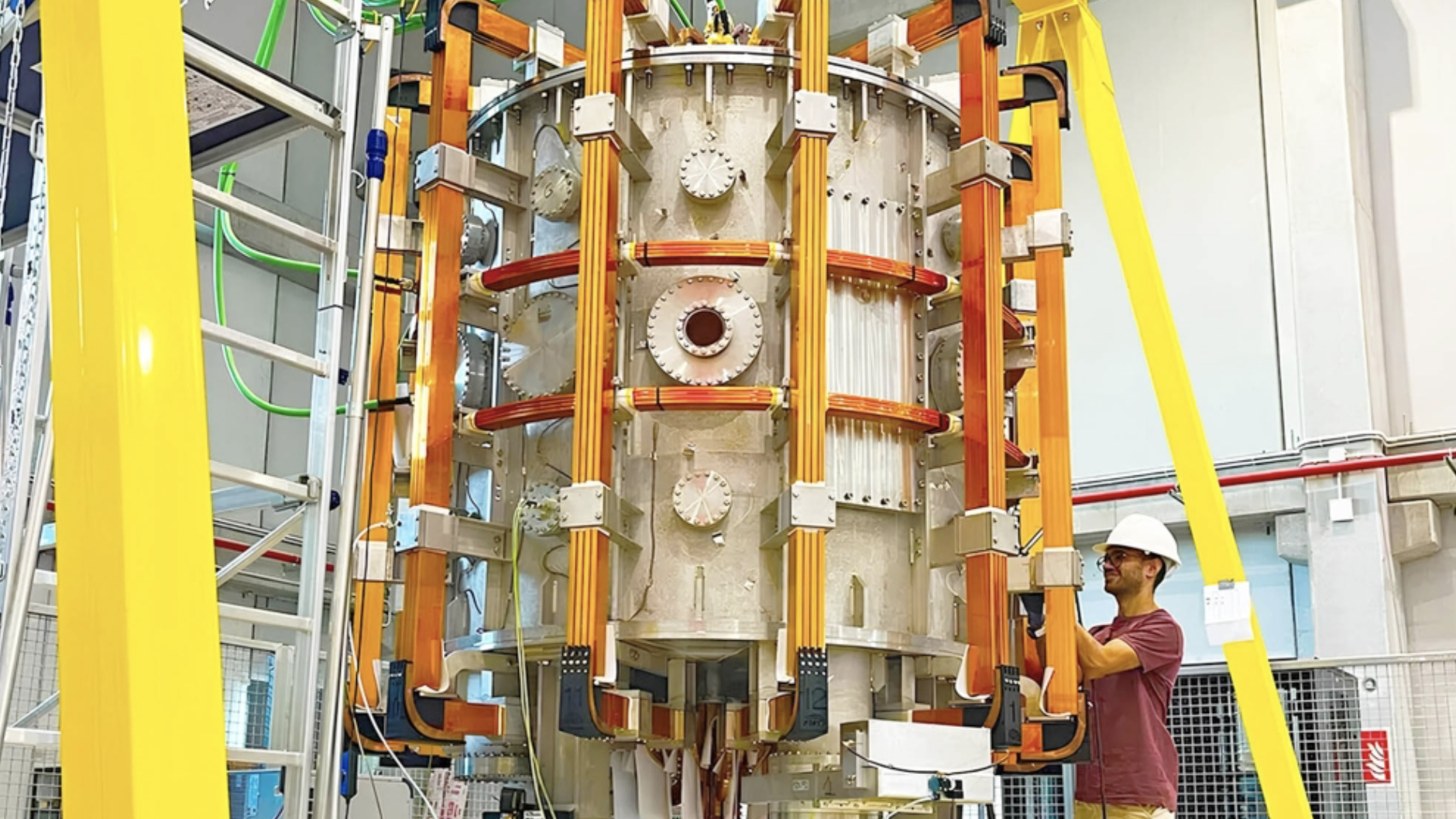
In Seville, Spain now has its own nuclear fusion reactor.
Energy generation from nuclear fusion is one of the most promising alternatives for the future. It offers a clean, inexhaustible, and economically competitive source. If the scientific community succeeds in mastering its processes, the dependence on fossil fuels and the resulting atmospheric pollution could be relegated, opening up the possibility for electricity to become the pillar of all sectors, even in transportation.
The process driving nuclear fusion is the same as that occurring in the Sun and other stars, where energy is released from the union of atomic nuclei. In this context, plasma, known as the fourth state of matter, plays a crucial role, as it is created and maintained at extreme temperatures to allow the nuclei to meet and fuse, generating enormous amounts of energy.
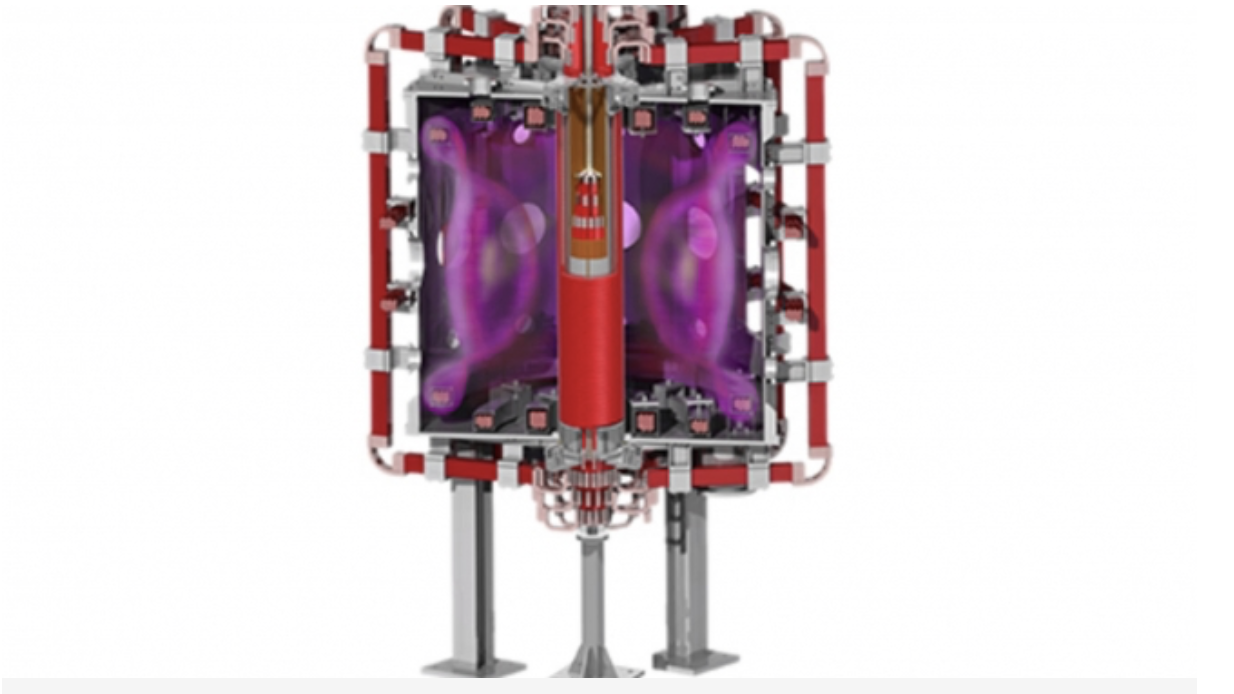
SMART Tokamak Diagram
Tokamak Devices: Spain’s Nuclear Fusion
Among the techniques employed to achieve controlled fusion, Tokamak devices are the most important. These devices use powerful magnetic fields to confine the plasma, ensuring it remains under the conditions necessary for fusion reactions to occur safely and efficiently.
In this context, the SMART project (SMall Aspect Ratio Tokamak), being developed at the University of Seville in Spain, is part of an ambitious international research program. It represents a promising milestone that could mark a new era in the generation of nearly unlimited energy with no polluting emissions.
At the end of last year, several articles were published explaining the physics and engineering behind this innovative reactor. Now, researchers have taken a crucial step by successfully generating their first tokamak plasma. The results, already described in an article published in the Nuclear Fusion journal, confirm that SMART is entering its operational phase, opening the door to future applications in clean energy production.
In statements to Cosmos, the lead researcher, Manuel García Muñoz, highlighted the significance of this achievement: “We are entering the operational phase of SMART. The SMART approach is a potential turning point with an attractive fusion performance and power handling for future compact fusion reactors. We have exciting times ahead.”
The Science of SMART: Tokamak and Negative Triangularity
To understand the relevance of this advancement, it is essential to know how tokamaks work, the type of device on which SMART is based. Tokamaks are nuclear fusion machines whose characteristic “doughnut” shape allows the confinement of plasma, an ionized gas, at extremely high temperatures, using powerful magnetic fields. In SMART, the confined plasma adopts a cross-section resembling a capital letter D. Normally, in this type of configuration, the straight edge of the D is oriented toward the center of the ‘doughnut’, a configuration called ‘positive triangularity.’
SMART stands out because it will be the first reactor to operate at nuclear fusion temperatures using a ‘negative triangularity’ configuration, in which the curved part of the D is oriented toward the center. This change in shape has a fundamental impact on the reactor’s performance. Negative triangularity helps prevent the expulsion of particles and energy from the plasma, which in turn protects the walls of the tokamak and improves the efficiency of the fusion process.
Co-principal investigator, Professor Eleonora Viezzer, sums up the team’s enthusiasm: “We were all very excited to see the first magnetically confined plasma and we look forward to exploiting the capabilities of the SMART device alongside the international scientific community. SMART has generated great global interest.”
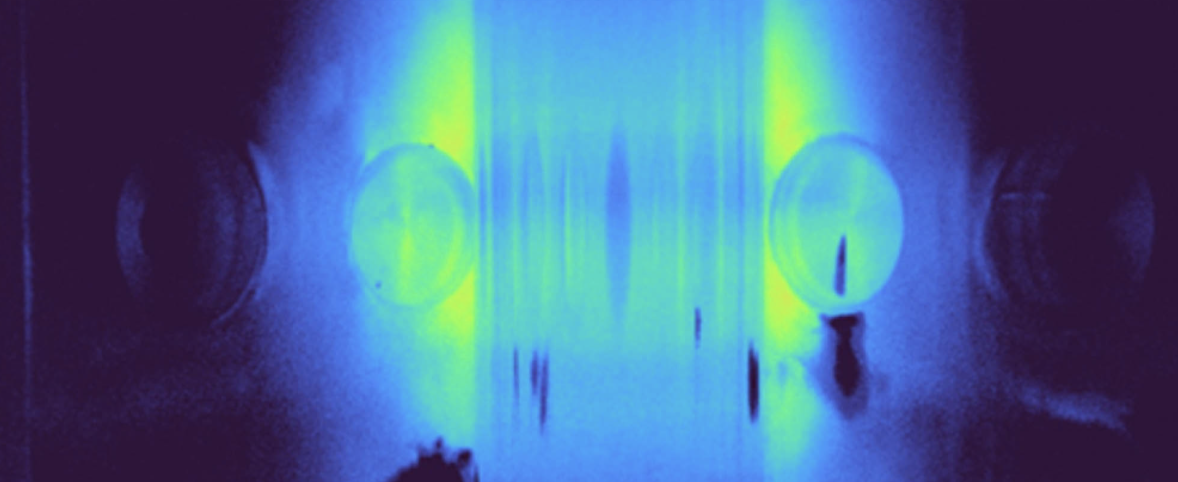
Plasma with Negative Triangularity Shape Shows Improved Performance
Implications for Electric Mobility and Sustainability
Although SMART is a nuclear fusion reactor and may seem unrelated to the world of electric vehicles, its impact on the future of energy is undeniable. Nuclear fusion is considered one of the most promising energy sources because, unlike fossil fuels, it does not produce carbon dioxide emissions or long-lasting radioactive waste. A fusion reactor could provide nearly unlimited, low-cost energy, which would positively affect charging infrastructure and the range of electric vehicles.
Electric mobility heavily depends on the availability of clean and abundant energy. In a scenario where nuclear fusion consolidates as a primary energy source, a constant and sustainable energy supply could be guaranteed, reducing the carbon footprint and accelerating the transition to an eco-friendly transportation model. Additionally, the development of advanced technologies like SMART fosters innovation in other sectors, promoting a comprehensive vision of a greener and more technologically advanced future.